Oil & Gas · Bolting

Controlled bolting tools BOLTING

Hydraulic torque wrenches, tensioners and impact sockets for the precise, safe and repeatable tightening of flanges and critical bolted connections.

  • Certified, repeatable torque
  • Hydraulic, pneumatic and electric solutions
  • Maucotools technical support and spare parts
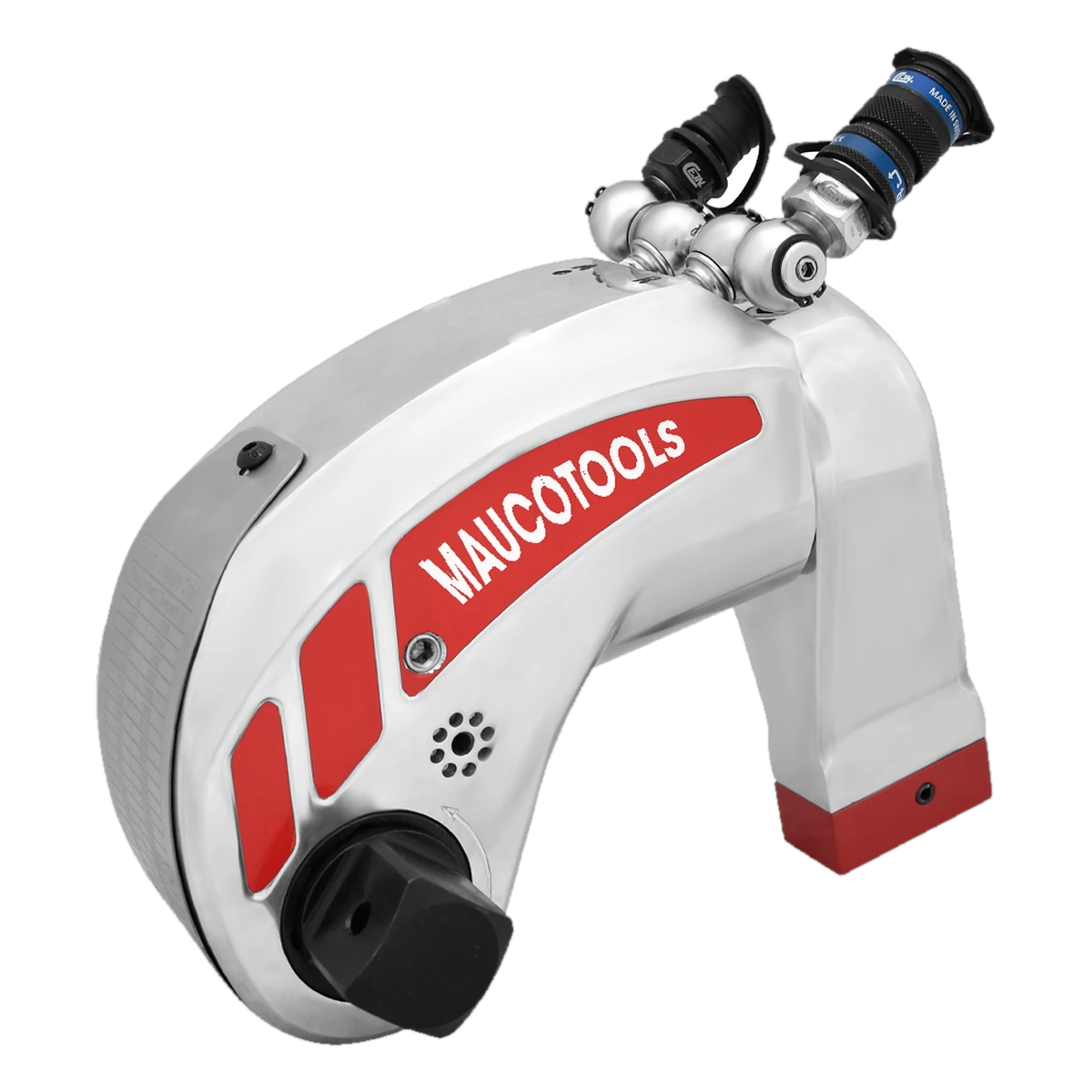
Bolting tools Maucotools

Controlled bolting, from A to Z

From torque selection to the power pack and on to the sockets, Maucotools supplies the complete bolting system and the support to put it into service.

Calibrated and certified tools, ready for the most demanding environments in Oil & Gas, power generation and heavy industry.
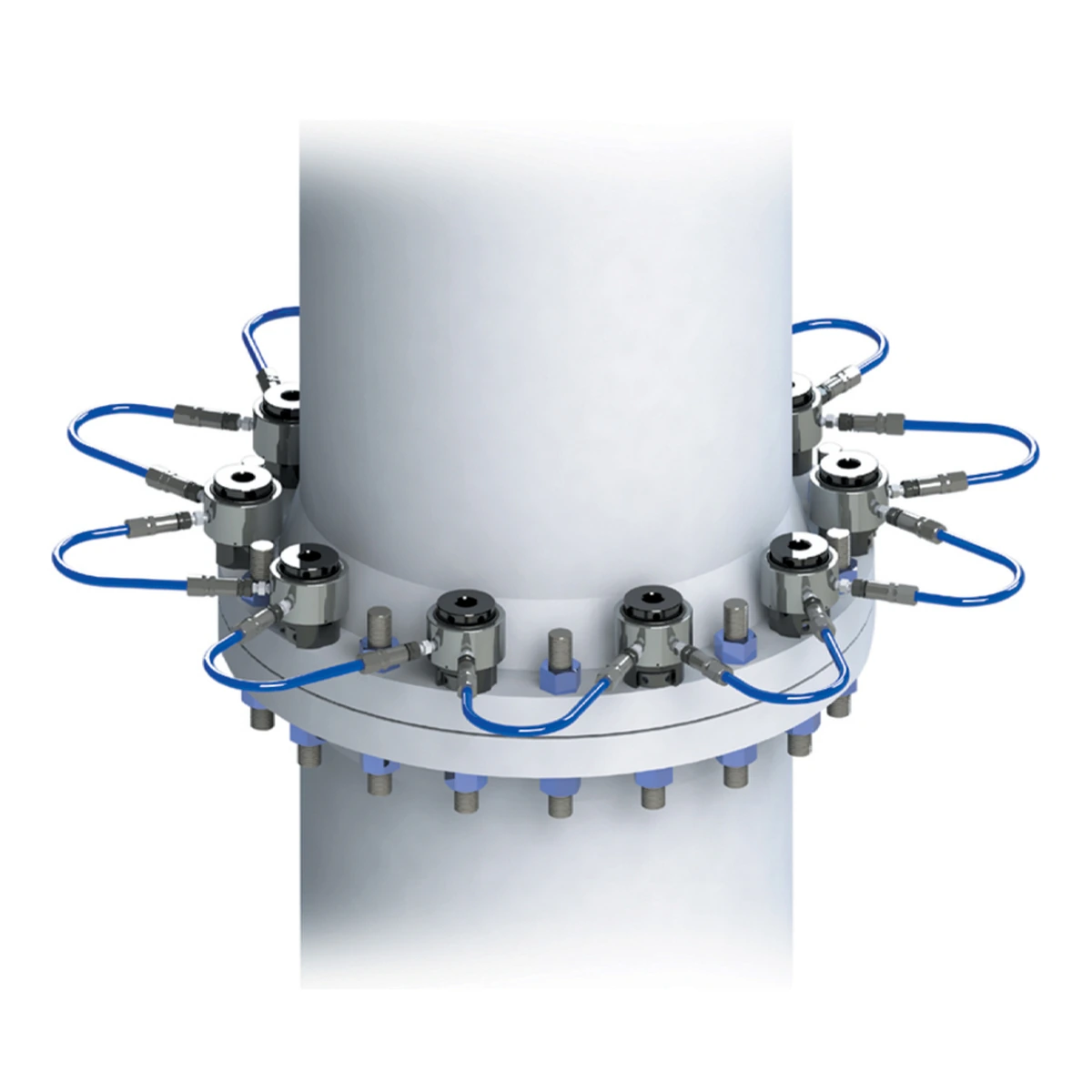
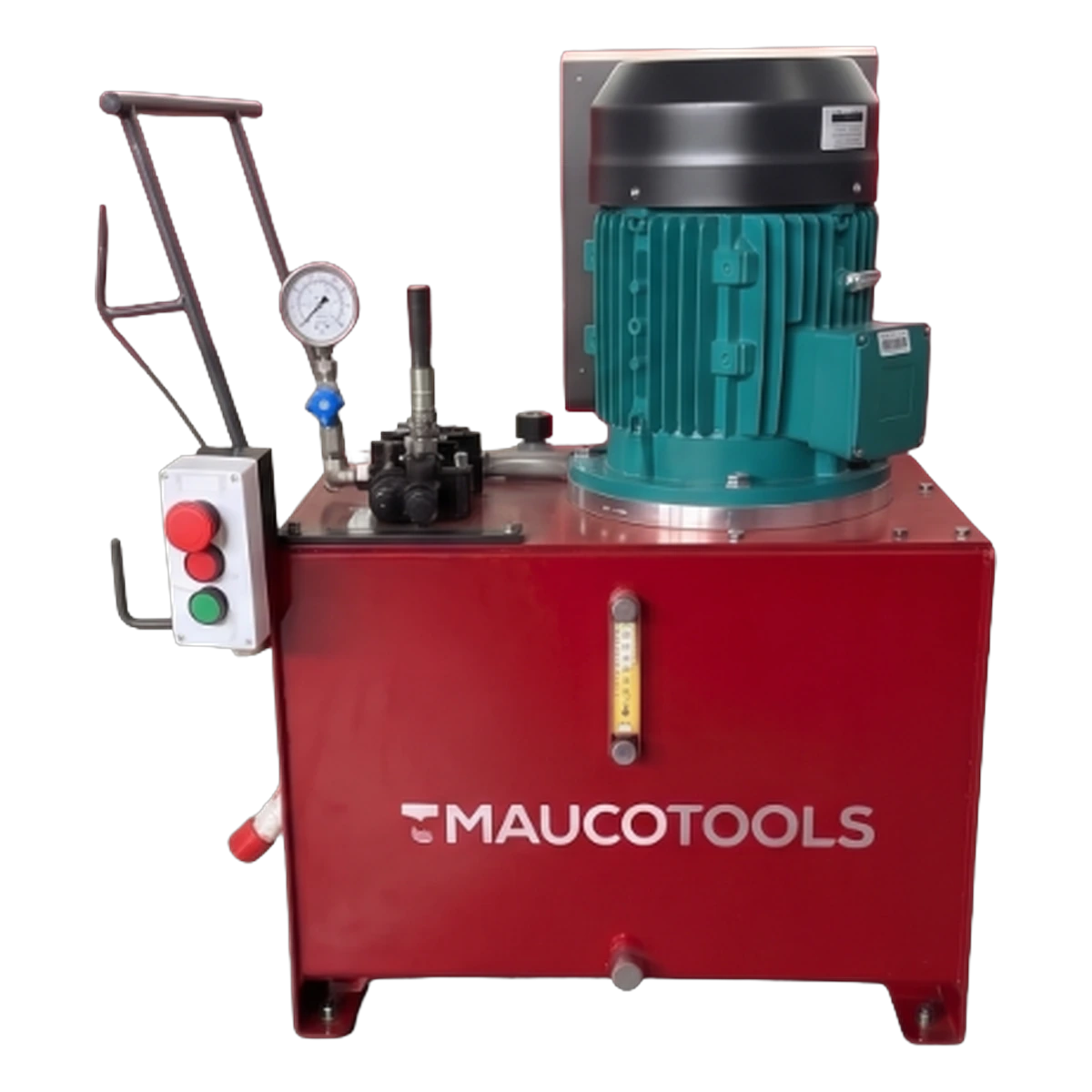
Bolting 1Bolting 2Bolting 3Bolting 4
Tool

How much torque do you need?

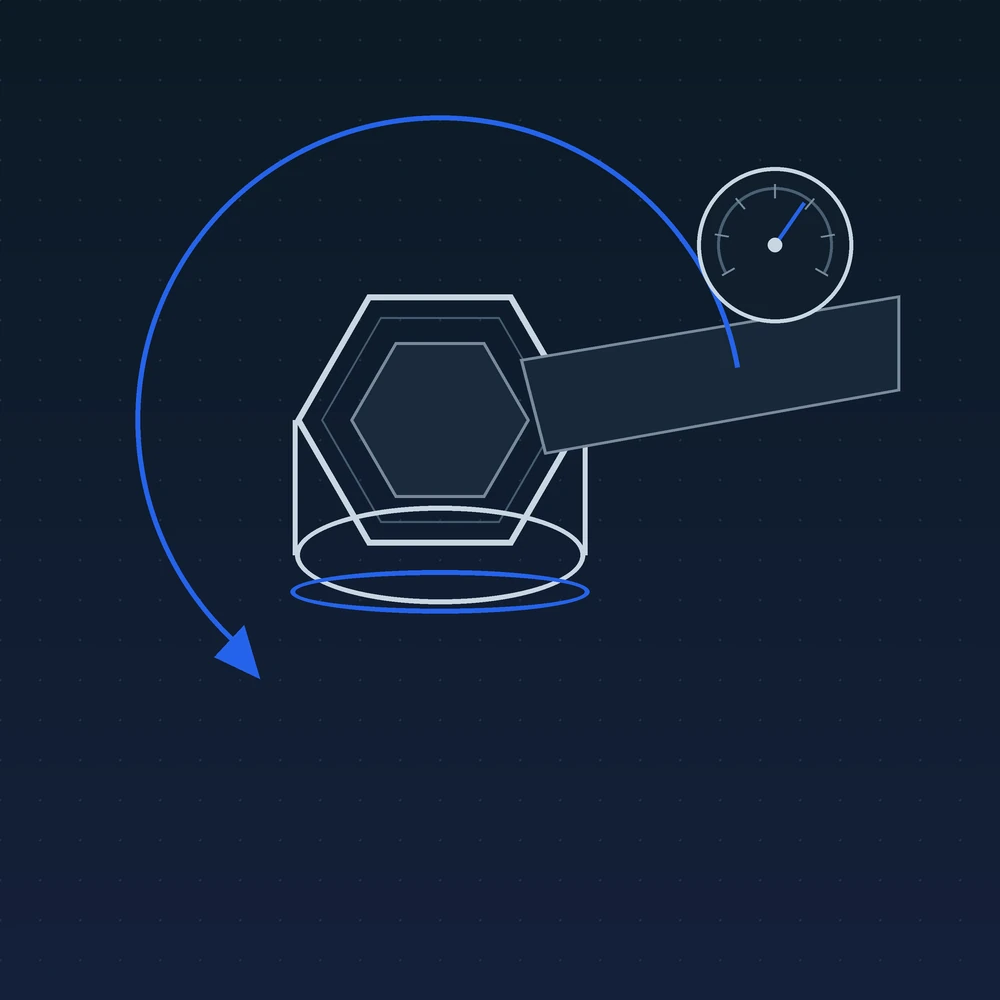
Estimate the tightening torque for your bolt and size the right tool with our calculator.

Indicative value — not a tightening specification.

Bolt torque calculator
In the field

Where bolting works

Controlled bolting of flanges and critical connections in the most demanding sectors.
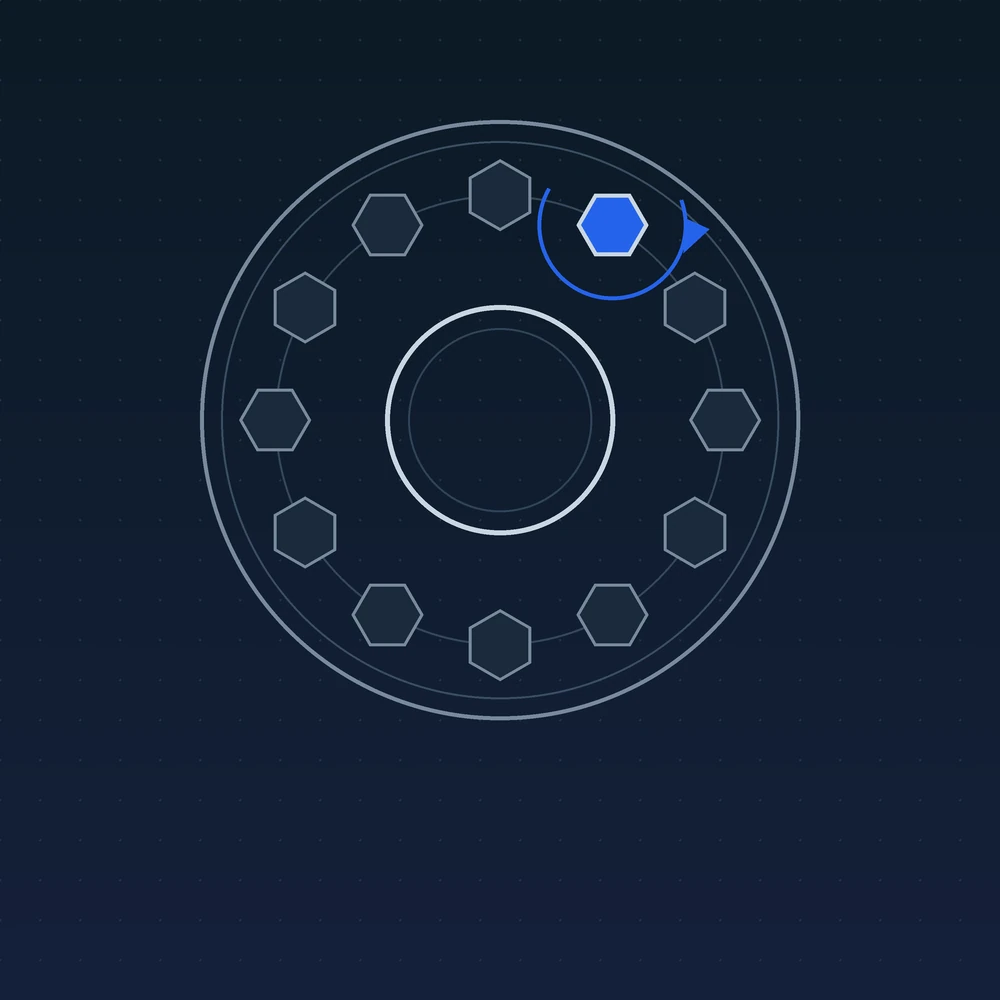
Flanges & connections
Pipelines
Refineries & petrochemical
On-site maintenance

Need help choosing?

Tell us about your application: we'll recommend the right torque, model and accessories.

MT-HTW Range Catalogue
Buyer's guide

Controlled bolting: hydraulic torque wrenches, bolt tensioners and impact sockets

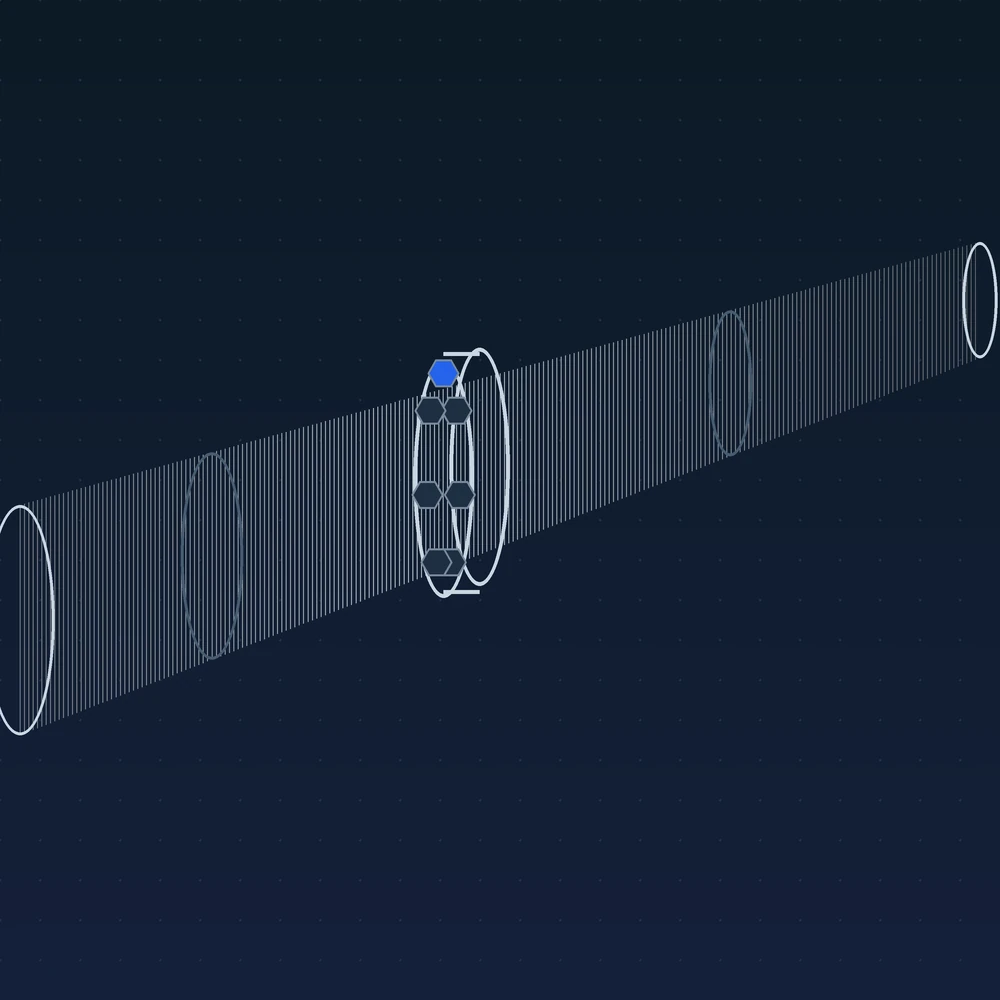
Controlled bolting brings every bolt in a joint to its specified preload, evenly and repeatably: it is what keeps a flange leak-tight and a structural joint safe. There are two ways to do it: applying torque to the nut with a hydraulic torque wrench, or stretching the stud axially with a hydraulic bolt tensioner.

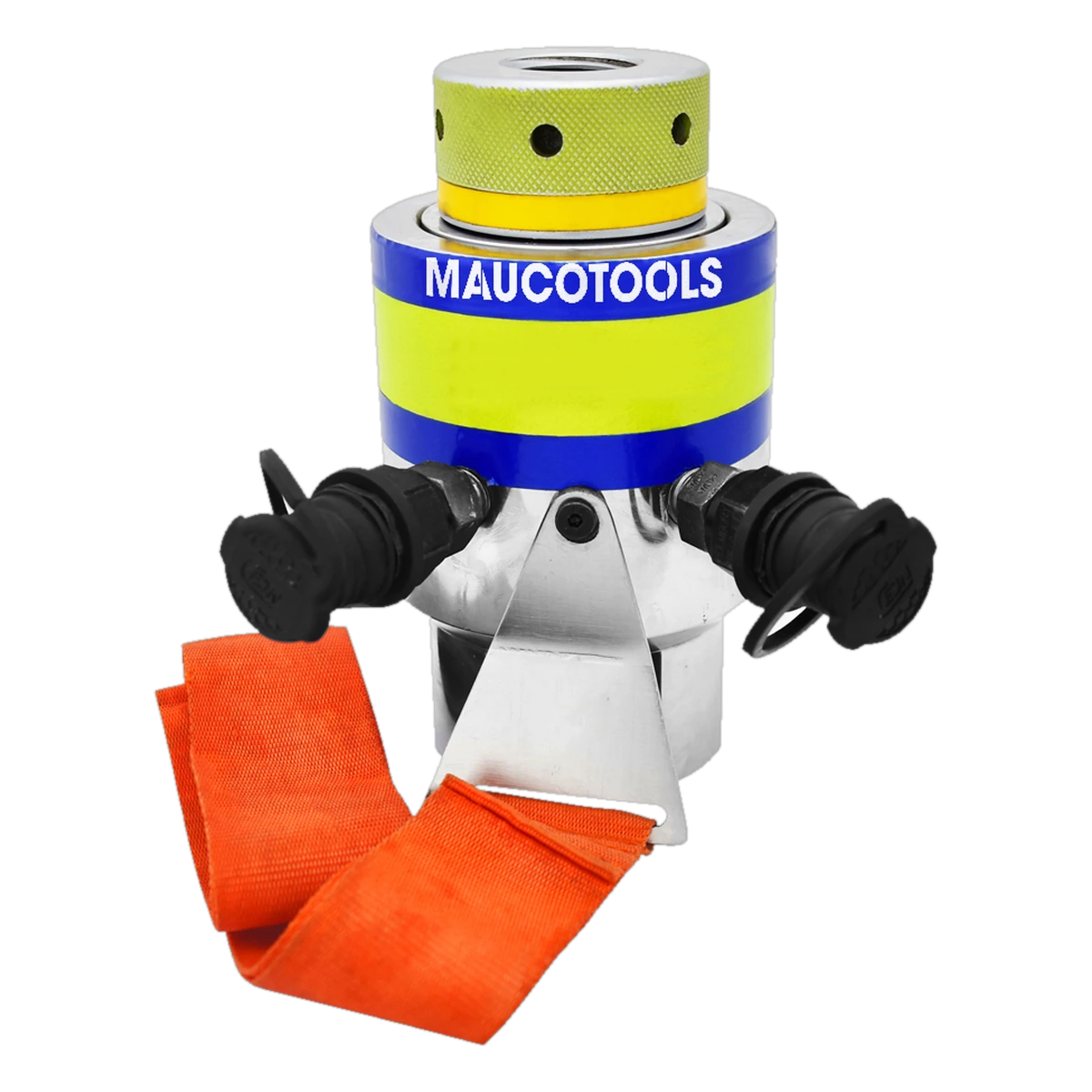
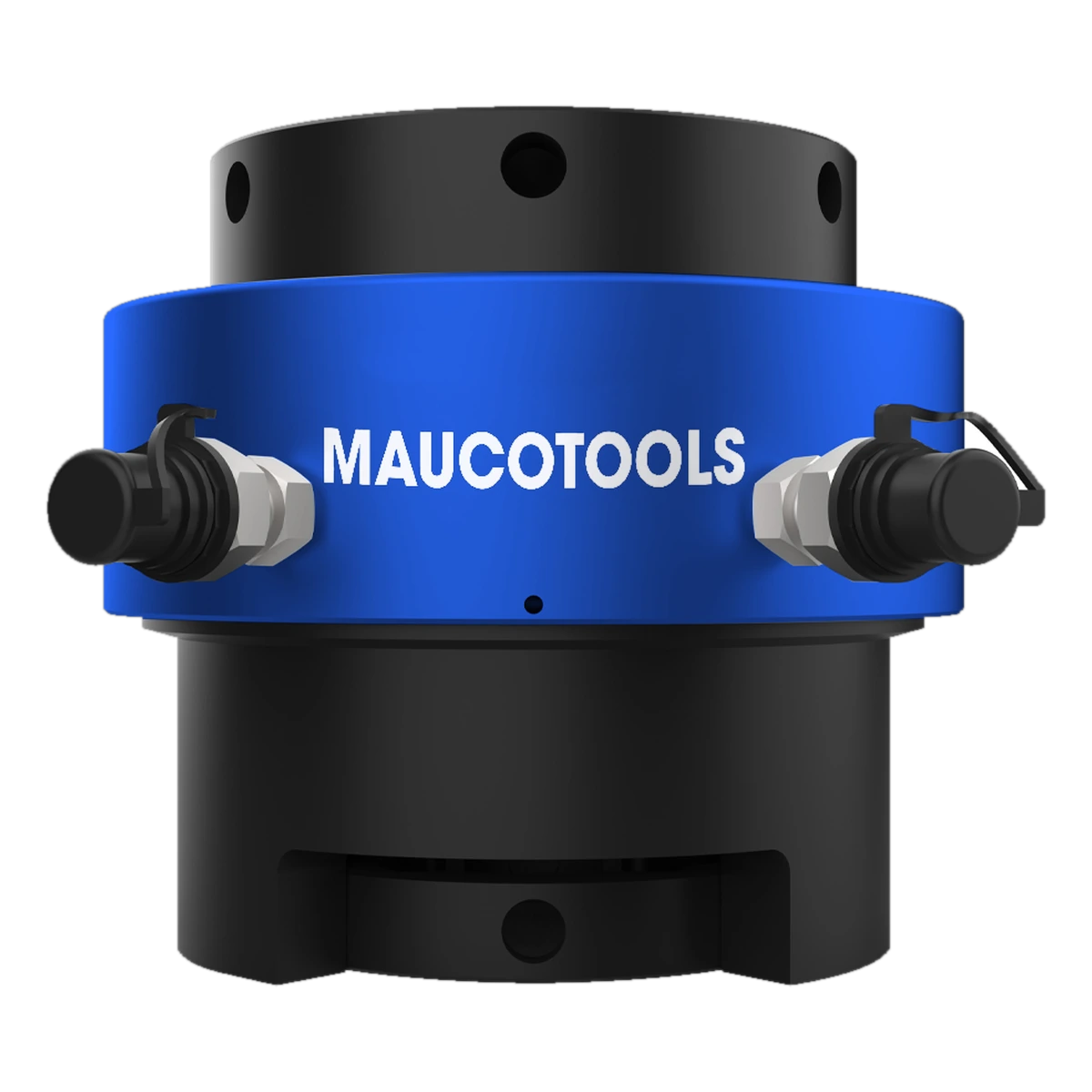
The Maucotools range includes MT-HTW square-drive hydraulic torque wrenches up to 136,000 Nm, bolt tensioners for studs from M20 to M150 with loads up to 4,754 kN at 1,500 bar (MT-BT topside, MT-BTS spring-return and MT-SST stainless-steel subsea series) and MT-IS impact sockets.

Where it is used

  • Flange assembly and maintenance in Oil & Gas and petrochemical plants
  • Maintenance shutdowns and plant turnarounds
  • Heavy structural joints
  • Offshore and subsea connections

How to choose the right tool

  1. 01

    Joint type and criticality: a hydraulic torque wrench covers most flanges and structural joints; where the most accurate and uniform preload is needed, use a tensioner.

  2. 02

    Bolt size and required preload: they set the torque (or load) and therefore the size of the wrench or tensioner.

  3. 03

    Space around the nut: you need a reaction point and room for the head; a 360° swivel head helps in tight spaces. A tensioner needs the stud to protrude beyond the nut.

  4. 04

    Environment: topside, or subsea with the stainless-steel MT-SST series.

Controlled bolting FAQ

Hydraulic torque wrench or bolt tensioner: which should I choose?

A hydraulic torque wrench applies torque to the nut: part of it is lost to friction, so preload also depends on lubrication. A tensioner stretches the stud axially with hydraulic pressure, with no torsion and no friction under the nut, giving a more accurate and uniform preload; it does require the stud to protrude beyond the nut.

How is bolt tightening torque calculated?

With the formula T = K·D·F: friction factor K, nominal diameter D and the desired preload F. The Maucotools torque calculator applies this method from bolt size, grade, percentage of yield and lubrication.

Why use impact sockets instead of standard sockets?

Standard chrome sockets are not designed for the loads of hydraulic torque wrenches and impact wrenches. MT-IS impact sockets are hot-forged from high-strength alloy steel and heat-treated to withstand high torque.

What does the range cover?

MT-HTW hydraulic torque wrenches up to 136,000 Nm; bolt tensioners for studs from M20 to M150 with loads up to 4,754 kN at 1,500 bar, including spring-return and subsea versions.

Need to size a bolting job? Calculate the torque or ask an engineer.